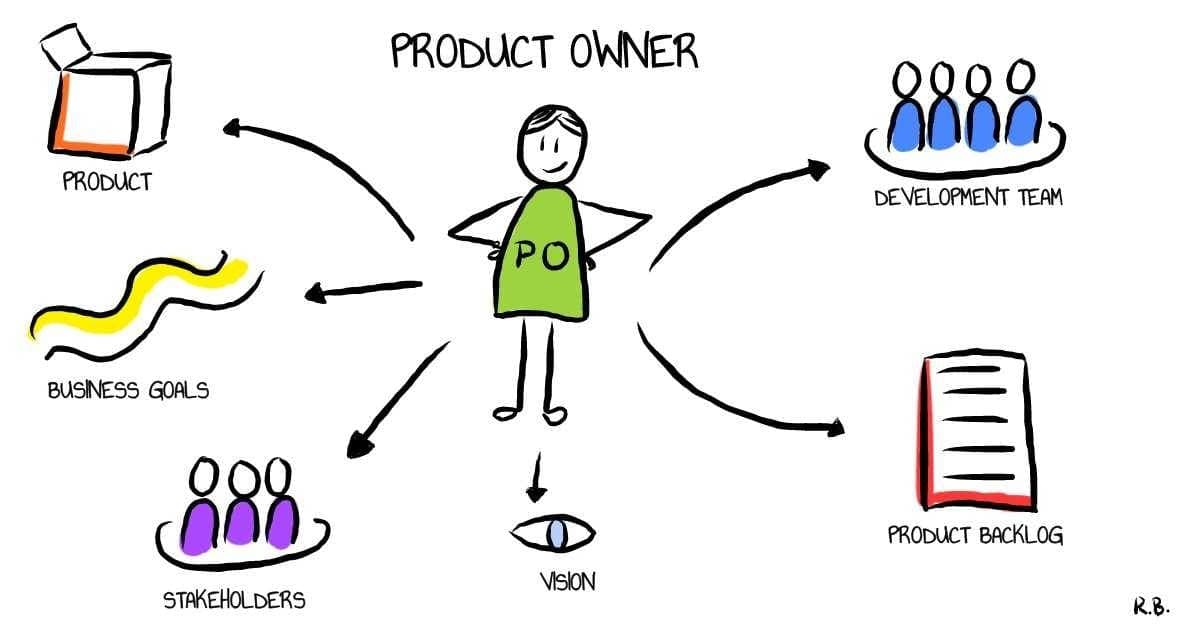
In the rapidly evolving landscape of digital transformation, traditional roles are undergoing a metamorphosis, and none more intriguingly than that of the change manager stepping into the shoes of a product owner. This adaptation isn't just a change in title—it's a rethinking of how we approach the very essence of change management and Agile methodologies.
Agile principles and change management have always danced around each other, somewhat like sparring partners waiting for the right moment to collaborate. The change manager typically focuses on human dynamics: reducing resistance, ensuring that everyone’s on board, and aligning all stakeholders. On the other hand, product owners are the visionaries steering Agile teams through backlogs and key priorities. But what happens when the roles meld together? Something fascinating occurs—a blend of strategy and agility that could potentially redefine success in digital projects.
With 70% of digital transformation initiatives failing to reach their potential, primarily due to people and adoption issues, this hybrid role emerges as a beacon of hope. By blending these roles, organisations create a distinct synergy that focuses intensely on user-centric change, seamlessly connecting business objectives with Agile delivery. The McKinsey Perspectives on Transformation corroborates this by underscoring the critical need for effective change management.
Imagine the scene in an Agile transformation program where a change manager not only supports the team but takes the helm as a product owner. Suddenly, user feedback isn't just noted as a side-comment in meetings; it's skilfully integrated into each sprint, driving swift adoption and reducing friction. Roman Pichler, an Agile thought leader, astutely observes how product owners need to champion the product and have the final say on its direction. This aligns beautifully with the change manager's critical eye on adoption and user satisfaction [Pichler, Scrum Product Owner Role on a Page].
In real-world scenarios, teams led by change-savvy product owners consistently report higher user satisfaction and quicker adoption cycles. An illustrative case involves a tech giant integrating AI tools across its global branches, where the synergy of change management and Agile principles led to a 30% quicker rollout with minimal resistance. The secret? A nuanced understanding of how to translate strategic visions into actionable backlog items.
In real-world scenarios, teams led by change-savvy product owners consistently report higher user satisfaction and quicker adoption cycles. Algar Telecom and HSBC are featured in Agile transformation case studies where combining Agile with change strategies led to improved delivery speed and organizational agility. Microsoft has embraced Agile and Change Management principles in its digital transformation journey, particularly under Satya Nadella’s leadership. Their shift toward cloud computing and AI integration involved agile practices and strong change leadership, though specific metrics like a 30% faster rollout weren’t cited.
So, what does this mean for professionals and organisations that are navigating these waters? For starters, bridging these roles isn’t just a smart move—it might soon become a necessity. As organizations flatten hierarchies and demand more cross-functional skills, professionals who can fluently speak the language of both change and product success will find themselves in high demand.
For current change managers, upskilling in Agile methodologies and digital product thinking is crucial. This might mean stepping out of traditional comfort zones to embrace iterative planning and a comfort with ambiguity. For product owners already entrenched in Agile environments, developing empathy-driven change-readiness skills will serve to create a competitive edge.
This evolution isn’t without its challenges. Success in these hybrid roles requires a comfort with navigating ambiguity, strong stakeholder engagement skills, and a mindset tuned to continuous learning. But therein lies the opportunity—by mixing these disciplines, organizations not only achieve more resilient transformations but become more user-focused.
As organisational leaders, we need to ask ourselves, how can we bridge the gap between change management and Agile practices in our own sphere. What would adopting these hybrid roles mean for your organisation's culture and success? Exploring these questions could unlock new pathways to growth and innovation.
For deeper insights, these articles offer additional perspective:
[Change Management and Agile](https://mckinsey.com/featured-insights/future-of-work)
[Digital Transformation Failures & Solutions](https://mckinsey.com/business-functions/organization/our-insights)
About the Author
Hi, I'm Kartik
I’m a passionate change management professional with a singular focus: driving outcome-driven change. For almost two decades, I’ve been in the trenches, helping organisations navigate the choppy waters of transformation without capsizing their teams. Why am I writing these bite-sized information nuggets? It started as a weekly ritual—sitting at the kitchen table next to my 10-year-old budding author as they craft stories of dragons and superheroes. While they bring fictional worlds to life, I document the very real dragons and heroes I’ve encountered in corporate transformation. What began as family writing time has evolved into a passion project of sharing what two decades in the change trenches have taught me.
Need to chat? If you are about to embark on a change journey in your organisation or you are stuck midway wondering how your transformation turned into a deformation, hit me up. Change doesn’t have to be painful. It should be purposeful. Let’s talk about making that happen.
